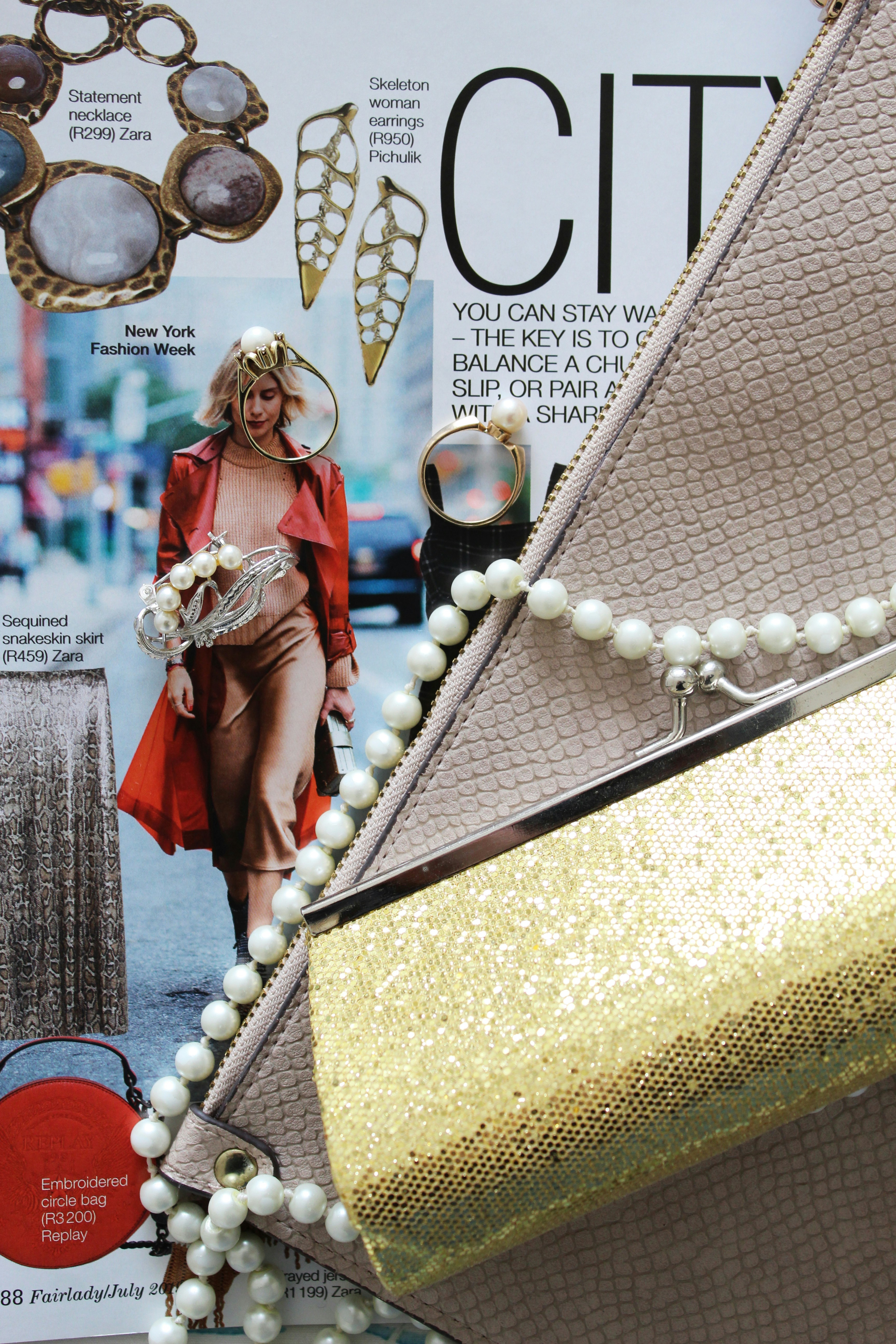
Introduction to which fashion style am i lwspeakfashion
Fashion is more than just clothing; it is a profound expression of who we are. The styles we choose to adopt can reveal our personality traits, values, and even our moods. By exploring different fashion styles, individuals can identify their own fashion identity, which is crucial for enhancing self-confidence and personal expression. Fashion styles encompass a broad spectrum, ranging from casual to formal, vintage to contemporary, and everything in between. Each style carries its own significance and cultural implications, providing a canvas on which we can paint our individual stories.
The journey of discovering one’s fashion identity often involves navigating through various styles and trends. Individuals may experiment with eclectic combinations to find what resonates with them. This explorative process is not merely about aesthetics; it is a roadmap to understanding one’s preferences, inspirations, and the image they wish to project. Spanning across various demographics and cultures, each person’s unique interpretation of fashion offers a rich tapestry of ideas and influences. Such exploration is vital in forming a distinctive personal brand.
Moreover, fashion styles can serve as a means of communication. They allow individuals to convey messages without uttering a single word. Whether one gravitates towards minimalism, bohemian chic, or corporate attire, the choice of style communicates aspects of identity to the world. Embracing this communication aids in not only personal branding but also in building connections with like-minded individuals. Ultimately, the quest for a fashion identity is a journey of self-discovery and empowerment, inviting us to embrace our uniqueness while finding inspiration from the diverse world of fashion.
Understanding LWSpeakFashion
LWSpeakFashion is an innovative term that embodies a modern approach to fashion and personal style. The concept of LWSpeakFashion entails a unique blend of individuality and expression, allowing individuals to communicate their personalities and values through clothing choices. This approach highlights the importance of understanding fashion not just as a way to dress but as a powerful medium of self-expression. Within the context of LWSpeakFashion, clothing transcends its practical use, becoming an avenue through which individuals can convey their identity.
At the heart of LWSpeakFashion lies the idea that every person has their own distinctive style narrative. This narrative is shaped by various factors including cultural background, personal experiences, and social influences. By embracing LWSpeakFashion, individuals can explore different facets of their personalities and affirm their unique identity through their sartorial choices. Whether it be a casual look that resonates with one’s laid-back persona or a bold, avant-garde ensemble that reflects a fearless attitude, LWSpeakFashion serves to celebrate diversities in style.
Moreover, this terminology encourages a more inclusive perspective on fashion, recognizing that every interpretation of style is valid. LWSpeakFashion invites individuals to engage with fashion on a deeper level, contemplating how clothing can represent emotions, narratives, and aspirations. By doing so, it emphasizes the relationship between fashion and the psyche—highlighting how external appearances can mirror internal identities and vice versa. Thus, LWSpeakFashion is not merely about following trends; it encourages a thoughtful exploration of personal aesthetics and individuality, making it a vital component in the ongoing conversation about fashion and identity.
Analyzing My Personal Style Journey
Throughout my life, my personal fashion style has undergone a remarkable evolution, shaped by various cultural, social, and personal influences. In my early years, I was heavily influenced by the popular trends of the time, often following the latest styles that appeared in magazines and on television. These formative years were characterized by an exploration of vibrant colors and patterns, which were prevalent in the fashion of the late 1990s and early 2000s. I remember being particularly drawn to the eclectic styles of pop icons, which encouraged a bold approach to self-expression.
As I transitioned into my teenage years, social factors played a significant role in molding my fashion identity. Peer acceptance became paramount, and my wardrobe reflected the styles favored by my friends. I found myself gravitating towards a more casual and relaxed aesthetic, influenced by the burgeoning streetwear culture. This phase was pivotal, as it was during this time that I began to experiment with layering, accessorizing, and combining different textures to create unique outfits that felt true to my personality.
Personal experiences have also greatly influenced my style evolution. A significant life change, such as moving to a new city, prompted a re-evaluation of my wardrobe. I began to incorporate elements of local culture into my outfits, infusing my style with regional flair. This exploration of diverse influences helped me recognize the importance of comfort and confidence in fashion. Ultimately, my style has shifted towards a refined minimalism, focusing on quality pieces that resonate with my identity. This journey is a reflection of my personal growth, a testament to the dynamic nature of fashion, and an acknowledgment of the myriad influences that shape our choices.
Identifying Key Fashion Elements
When embarking on the journey of discovering one’s fashion identity, it is vital to identify the key elements that define personal style. One of the most significant aspects to consider is color preference. Individuals often gravitate toward certain colors that resonate with their personality and mood. For instance, vibrant hues like red or yellow may signify a bold personality, while softer tones such as pastels may reflect a more subdued nature. Keeping a mental note of favorite colors can help in curating a cohesive wardrobe.
Patterns also play a crucial role in style identity. Whether it be stripes, florals, or polka dots, the types of patterns one prefers can indicate a fashion inclination. Some may enjoy combining various patterns, showcasing a more eclectic approach, while others might prefer solid colors with subtle undertones. Engaging with these patterns can enrich one’s wardrobe and express unique tastes.
Additionally, the types of clothing that one prefers significantly shape their fashion identity. Everyday choices, ranging from casual wear to formal attire, provide insight into personal preferences. Are oversized silhouettes more appealing, or is there an affinity for tailored fits? Understanding the styles of clothing that make one feel confident and comfortable can greatly influence future shopping decisions.
Equally important are accessories, which can enhance any outfit. Noting whether one is drawn to statement pieces like chunky jewelry or minimalistic items can further refine style. Finally, the choice of fabrics is also a defining element. While some may gravitate towards soft cottons and luxurious silks for their tactile feel, others may prefer the durability of denim or the warmth of wool. In summary, assessing these fashion elements – colors, patterns, clothing types, accessories, and fabrics – provides a clearer perspective on one’s fashion identity.
Fashion Inspirations and Influences
Fashion is a deeply personal yet universally influential aspect of human expression. For many, fashion icons and trends serve as points of reference that guide their style choices. Individuals often find themselves drawn to specific celebrities or designers whose aesthetics resonate with their sense of self. The influence of these figures is undeniable; they inform not just what we wear but also how we perceive ourselves within the broader landscape of style.
One significant source of inspiration can come from influential fashion icons who have left a mark on the industry. Figures such as Audrey Hepburn, known for her classic elegance, or modern powerhouses like Rihanna, celebrated for her fearless experimentation, shape the way many approach their wardrobe. Each icon introduces a unique stylistic signature that can inspire various elements of personal dressing. By identifying which elements of their styles speak to us, we can begin to cultivate our own fashion identities.
Moreover, fashion movements also play a critical role in shaping individual styles. For instance, the punk movement of the 1970s brought forth a rebellious flair, characterized by bold patterns and nonconformity, whereas the minimalist trend emphasizes simplicity and the beauty of unobtrusive design. Trends like these provide a backdrop against which individuals can curate their closet, selecting pieces that convey their interpretations of these influential styles.
Ultimately, recognizing our fashion inspirations enables us to make more informed decisions when choosing outfits and presenting ourselves to the world. It highlights how our style is not just about clothing but a reflection of our personalities, beliefs, and aspirations. By exploring the influences of fashion icons and historical movements, we can navigate our style journeys with greater clarity and intention.
The Role of Comfort in Fashion Choices
In the realm of fashion, comfort plays a crucial role in shaping individual style preferences. While trends may dictate what is perceived as fashionable, the underlying factor many individuals consider paramount is how comfortable an outfit feels when worn. In recent years, there has been a noticeable shift towards embracing comfort alongside style, reflecting a broader understanding that fashion does not have to compromise on practicality or ease.
The interplay between comfort and style can significantly influence daily outfit selections. For example, many individuals may choose to incorporate athleisure into their wardrobes, highlighting the merging of functionality and fashionable design. Leggings paired with stylish sneakers and a chic top offer a perfect blend, allowing individuals to showcase their unique style while ensuring they feel comfortable during various activities throughout the day.
Additionally, the phenomenon of ‘dressing down’ signifies how comfort-centric choices have gained traction, even in professional settings. Soft fabrics, relaxed cuts, and sensible footwear are increasingly popular, reflecting a lifestyle that prioritizes ease without sacrificing appearance. Such a movement illustrates that fashion can adapt to meet contemporary needs, where the traditional notion of dressing up is redefined to include comfort as a core component.
As individuals strive to express their fashion identities, the focus on comfort is not merely about personal preference but also about lifestyle alignment. Understanding one’s lifestyle requires evaluating how clothing choices can accommodate various activities, from work commitments to casual outings. Thus, finding a balance between style and comfort becomes pivotal in curating a wardrobe that resonates with individual identity while facilitating daily tasks with ease.
Embracing Trends vs. Personal Style
Fashion is an ever-evolving canvas, colored by seasonal trends that often capture the collective imagination. Each year, designers present fresh collections that challenge traditional aesthetics and introduce new styles. In this dynamic environment, it is important for individuals to evaluate their relationship with contemporary fashion trends in relation to their personal style. This relationship can prominently shape how one expresses themselves through clothing and accessories.
For some, embracing trends is a thrilling pursuit; eagerly adopting the latest styles allows them to stay at the forefront of fashion. These individuals often find joy in experimenting with trendy silhouettes, bold colors, and innovative textures that are in vogue. However, while following trends can lead to a fresh and trendy wardrobe, it can sometimes overshadow one’s personal preferences. What begins as an exploration of modernity may turn into a frenzy of unrecognizable outfits that lack individuality.
Conversely, many individuals prioritize their unique style over fleeting trends. Such individuals often curate their wardrobes based on personal tastes and experiences, making choices that not only reflect their identity but also evoke their values. This approach fosters authenticity, allowing one to create a distinctive look that stands apart from the crowd. While they may occasionally incorporate trendy pieces, their results are often harmonized with enduring elements that resonate with their self-image.
Cultivating a balance between current trends and personal style is essential for developing a genuine fashion identity. One does not have to adhere strictly to either end of the spectrum; rather, a harmonious blend can be achieved. Choosing to follow trends selectively while staying true to personal preferences will ultimately lead to a cohesive and satisfying wardrobe.
Shopping and Curating My Wardrobe
Curating a wardrobe that reflects one’s fashion identity is a nuanced and thoughtful process. It begins with understanding personal style preferences and the types of clothing that resonate with individual aesthetics. I recommend starting by defining the core elements of your style, be it classic, bohemian, urban, or a hybrid of various influences. This foundational understanding serves as a compass while shopping, preventing impulse buys that may not align with the overarching vision.
When shopping, whether online or in physical stores, maintaining a list of essential pieces is beneficial. These are items that not only serve functionality but also enhance the wardrobe’s cohesive nature. For instance, identifying staple items such as classic jeans, tailored blazers, or versatile dresses can streamline the shopping experience immensely. By focusing on quality over quantity and opting for timeless pieces, it becomes easier to create diverse outfits that reflect your unique style.
Existing trends can tempt many shoppers; however, it is important to assess whether they genuinely complement your established fashion identity. Incorporating trendy elements is acceptable, but prioritizing pieces that align with your personal style ensures that the wardrobe remains authentic. Shopping sustainably can also be advantageous. Consider thrifting or purchasing from brands that prioritize ethical production methods to make a positive impact while reshaping your closet.
Finally, it is vital to embrace patience and creativity in the curation process. Experimenting with different combinations and learning the versatility of clothing items can reveal hidden styles within your identity. By consistently evaluating your wardrobe and eliminating items that no longer align with your style, a more defined fashion identity emerges, further enhancing your confidence and personal expression through fashion.
Conclusion: Embracing My Fashion Journey
In navigating the intricate landscape of personal fashion style, one fundamental truth emerges: our fashion narrative is as unique as our individual identities. Throughout this exploration, it becomes clear that embracing one’s fashion identity requires introspection, experimentation, and a readiness to evolve. This journey is not merely about selecting garments; it is a vibrant expression of who we are at various stages of our lives.
As we delve deeper into our own fashion philosophies, we uncover influences ranging from cultural heritage to contemporary trends that resonate with our values and personality. Recognizing these influences allows for a more mindful approach to style, steering away from fleeting fads in favor of authentic self-expression. Understanding the essence of one’s style incorporates elements such as comfort, creativity, affordability, and individual preference, ultimately contributing to a cohesive fashion identity.
Moreover, it is essential to remember that our relationship with fashion is dynamic and should be treated as a continual journey. Trends may shift, body shapes may change, and personal circumstances may impact choices; therefore, nurturing this aspect of ourselves is vital. Encouraging readers to reflect on their fashion identities can lead to recognizing what embodies true allure for them. This self-awareness not only promotes confidence but also fosters an optimistic view towards fashion.
In conclusion, embracing one’s fashion journey empowers individuals to celebrate their distinct styles. Each person’s path through fashion blogs, thrift shops, or high-end boutiques illuminates unique perspectives and creativity. As we conclude this exploration, let us encourage everyone to embrace their personal style with pride, understanding that it contributes to the rich tapestry of fashion as a whole.